Research at SLAB
A portion of our ongoing projects
Funding support
SLAB has been fortunate to recieve generous support from multiple sources, including a Career Development Award from HFSP, a Klingenstein award, a grant from the Whitehall Foundation, the Simons Foundation, the NSF, the McKnight Endowment Fund for Neuroscience, an R01 from the NINDS, and an R01 from the NEI.
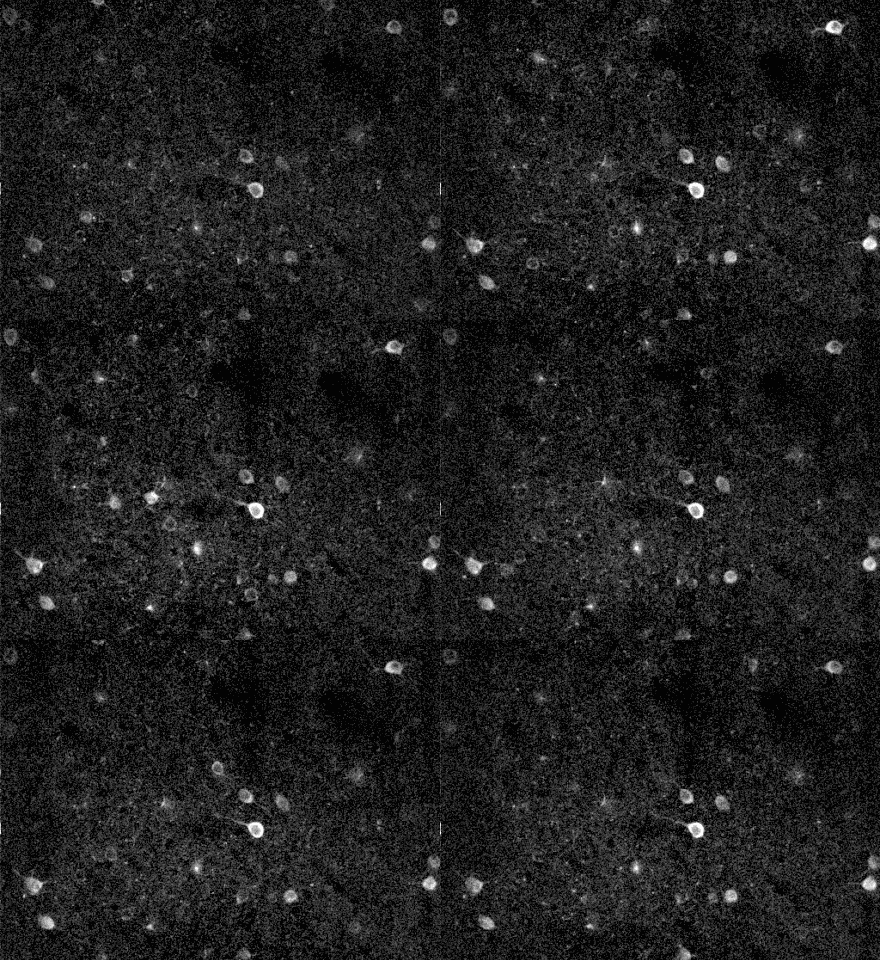
Next generation multiphoton imaging of neuronal activity in vivo
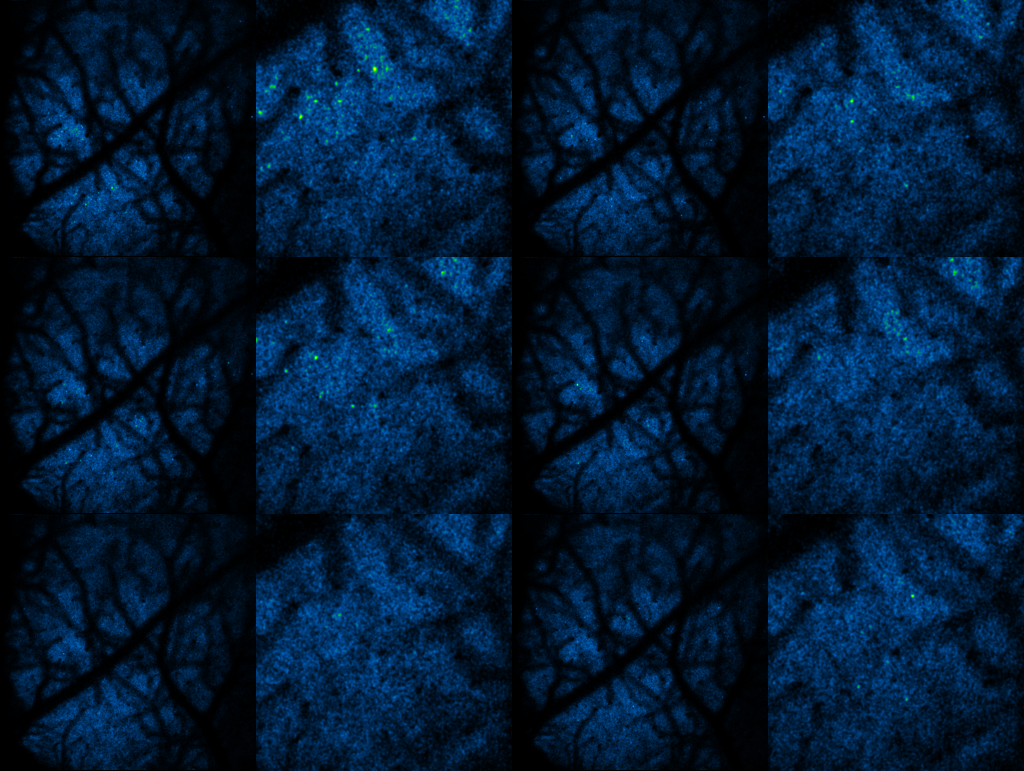
We have developed new optical systems for imaging neuronal activity with single neuron resolution across multiple cortical areas. We are working on further advances and new approaches to extend multiphoton imaging to large brain volumes. (Stirman et al. 2014 bioRxiv preprint)
Dendritic synaptic integration in vivo
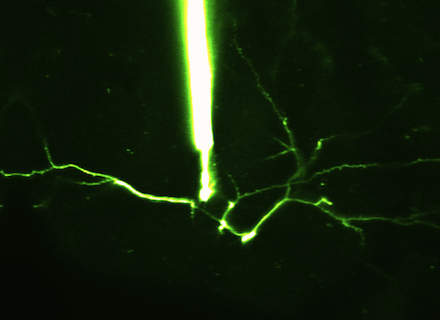
Our recent work has shown that neurons exhibit much more complex function than commonly appreciated. Individual branches of dendrites generate local dendritic spikes. These dendritic spikes are nonlinear threshold operations performed on synaptic inputs, a function that many models reserve for entire cells, rather than dendrites. We are now further exploring the properties of these phenomenon in vivo. These recording are technically challenging to make in awake mice, and so we have engineered optimized instrumentation to facilitate our experiments.
(Smith et al. 2013 Nature)
Development of cortical circuitry
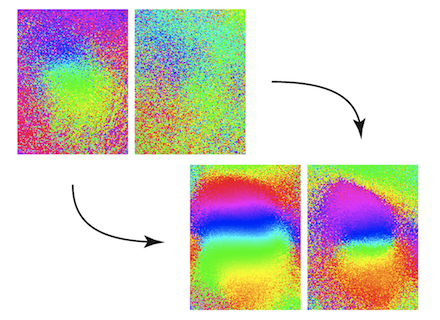
Experience sculpts cortical circuitry to generate computational neural architecture that supports behavior. We are exploring the principles of this refinement in mouse visual cortical circuitry. We have developed techniques and protocols to rapidly map and quantify stimulus-evoked visual cortical activity in developing mice, from eye opening to maturity.
(Smith and Trachtenberg 2007 Nature Neuroscience; Smith et al. under review)
Neuronal population dynamics
We are exploring population dynamics with single cell resolution to elucidate principles of circuit architecture, dynamics, and computation. We are currently using this technology to explore activity in primary and higher visual cortical areas in mice.
(Smith and Hausser 2010 Nature Neuroscience; Smith et al. under review)
Quantitative behavior
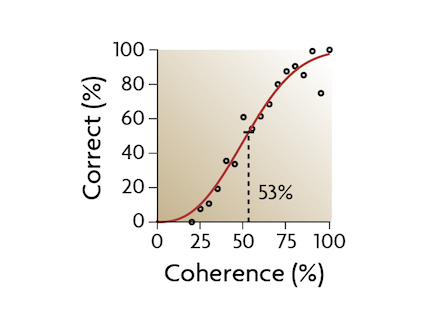
To explore cellular and population activity in a context in which behaviorally relevant mechanisms are engaged, we have developed and optimized insturmentation to explore quantitative psychophysical behavior guided by complex visual stimuli.
(Stirman et al. unpublished)
Mouse models of neurodevelopmental disorders
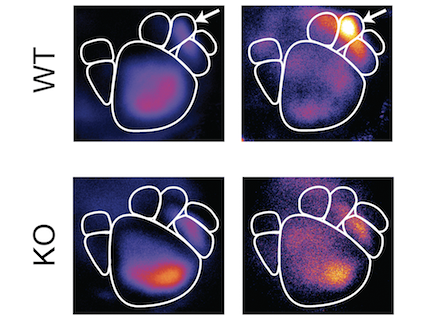
Complex neurological disorders including autism involve sensory processing (DSM-V) and experience depenedent development of neural circuitry. We are using our experimental approaches to examine deficits in neural development in mouse models of these diseases. This work helps to elucidate the neuropathology in mammalian cortical circuitry caused by specific genetic deficits, and generate novel assays for screening potential therapeutics.
(Townsend, et al. unpublished)